
Canary Islands, Italy and France all named in 2026 'no travel' list
Several well-loved European holiday destinations, including parts of Spain, Italy, and France, have appeared on a newly released 2026 tourism warning list due to growing concerns about overcrowding and environmental pressure.
Travel publisher Fodor's Travel recently published its annual “No List,” highlighting destinations where increasing visitor numbers are creating challenges for local communities, public infrastructure, and natural landscapes.
The guide explained that the list is not designed to discourage travel altogether. Instead, it aims to encourage travelers to make more thoughtful choices and support sustainable tourism practices.
Among the locations mentioned this year are the Canary Islands, as well as several areas in Italy and France that are struggling with the effects of overtourism.
According to the publication, many destinations are facing mounting pressure as tourism continues to grow faster than local systems can comfortably handle. The report noted that some previously highlighted cities, such as Venice and Barcelona, were not included this year simply to draw attention to other regions experiencing similar issues.
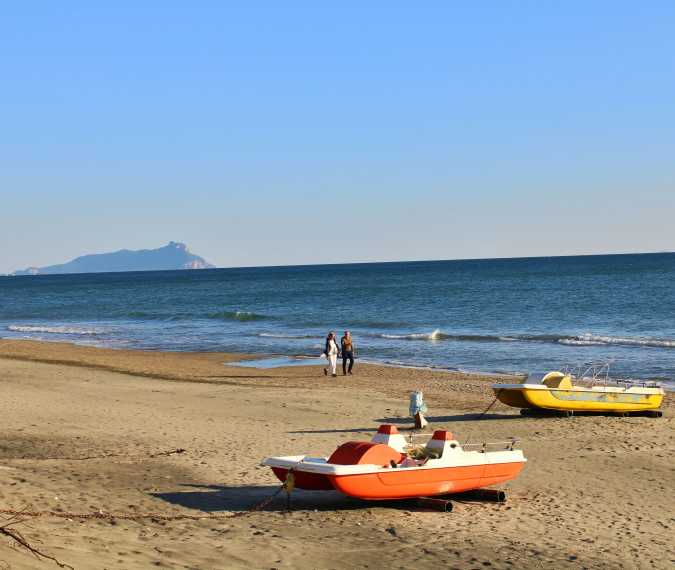
One Italian location singled out was Isola Sacra, situated south of Rome in the Lazio region. The area has become the focus of debate following plans for a major cruise terminal development. Environmental groups and residents have expressed concern that the project could increase pollution, damage delicate coastal ecosystems, and attract unsustainable numbers of cruise tourists.
In Paris, the iconic Montmartre district was also featured on the list. Known for its artistic history and hilltop views, the neighborhood now receives around 11 million visitors annually. Locals say the rise in tourism has changed the area's character, with souvenir stores, crowded cafés, and short-term holiday rentals gradually replacing traditional community spaces and permanent housing.
Fodor’s emphasized that the goal of the “No List” is to encourage travelers to consider the impact of their holidays and to help destinations recover from the strain caused by excessive tourism. The publisher described the list as a reminder that some places may benefit from a temporary slowdown in visitor numbers, allowing communities and environments time to recover.

